Published by Oz Crete Concrete | Sydney’s Residential Concreting Experts
Let’s be honest — when most Sydney homeowners dream about building or renovating, they’re picturing the finished product. The polished driveway. The smooth house slab. The solid balcony where they’ll sip a cold one on a Friday arvo. What they’re not thinking about is the part that makes all of that possible: formwork.
And that’s exactly the problem.
Formwork is the unsung tradie of every concrete build. Nobody takes photos of it. Nobody puts it on their Instagram reel. But get it wrong, and your beautiful slab cracks, your walls bow, and your builder’s number mysteriously stops working. Sound familiar? Yeah, we’ve seen it.
So let’s fix that. This is the guide that every Sydney homeowner planning a build, extension, or concrete project should read before anyone pours a single litre of mix.
What Actually Is Formwork? (And Why Should You Care?)
Formwork — also called shuttering — is the temporary (or sometimes permanent) moulding system that holds wet concrete in shape while it sets and cures. Think of it as the skeleton that gives your concrete structure its bones before it can stand on its own.
Without proper formwork, wet concrete is basically just grey soup. It will slump, spread, and do anything except what you want it to do. The formwork contains it, shapes it, and holds it perfectly in place through the entire curing process — which can take anywhere from 24 hours to several days depending on the mix, the temperature, and the size of the pour.
In residential construction across Sydney, formwork is used for:
House slabs and floor slabs — the foundations everything sits on
Footings and strip footings — the underground anchors holding your walls
Concrete stairs and balconies — because nobody wants a staircase that wobbles
Retaining walls — critical in Sydney’s hilly suburbs
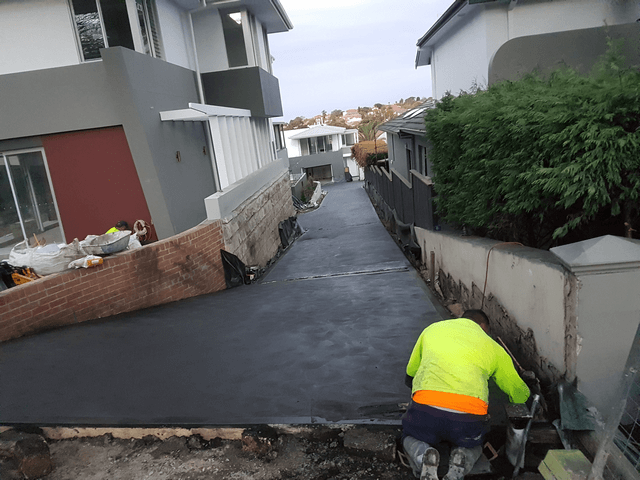
Driveways and paths — even these need edge boxing and containment
Second-storey suspended slabs — where precision literally matters from above
If it involves concrete in a residential build, formwork is somewhere in the process. Full stop.
The Different Types of Residential Formwork in Sydney
One of the first things a qualified formwork contractor will assess is which type of system suits your specific project. This isn’t a one-size-fits-all trade. Here’s a breakdown of the main systems used across Sydney residential builds:
1. Traditional Timber Formwork
The old faithful of the industry. Timber and plywood formwork has been used for decades and for good reason — it’s versatile, relatively affordable, and can be cut and shaped on-site to match just about any design. For custom residential projects, unusual angles, or smaller-scale builds, timber formwork remains the go-to choice.
The plywood sheets typically used are F17-grade structural ply — engineered to resist moisture and stay flat under the pressure of a wet pour. When you hear an experienced concreter talk about “boxing up the slab,” this is usually what they mean.
The trade-off? Timber has a shorter lifespan (generally 4–5 reuses) and takes longer to set up than modular systems. But for most residential work in Sydney’s suburban and coastal areas, it does the job brilliantly.
2. Plastic and Modular Formwork
These are interlocking, lightweight systems made from high-strength plastic panels. They’re particularly effective for repetitive structures — think mass housing, apartment complexes, and developments where the same form needs to be used across many identical pours. They’re quick to assemble, easy to clean, and surprisingly robust.
3. Prefabricated Steel and Aluminium Modules
For larger or more complex residential projects — second-storey slabs, suspended decks, or multi-unit builds — prefabricated metal modules offer speed and precision that timber simply can’t match at scale. Systems like Bondek, Condek, RMD, and Gridflex fall into this category, and they can be reused many times over before needing replacement.
Knowing which system to use is part of the expertise that separates a professional formwork contractor in Sydney from the bloke who just showed up with some old boards.
How Does the Residential Formwork Process Actually Work?
Great question — and this is where most homeowners have absolutely no idea what’s happening on their site. Here’s a step-by-step look at how formwork is done properly on a Sydney residential project:
Step 1: Site Assessment and Design
Before a single piece of timber is cut, a professional formworker reviews the building plans and assesses the site. Soil conditions matter. The load requirements matter. The shape and size of the pour determine which system is appropriate and how much bracing will be needed.
Step 2: Setting Out and Excavation
The formworker marks out exactly where the concrete will go using chalk lines, pegs, and levels. This is where accuracy is everything — a millimetre off here becomes centimetres off by the time the slab is poured. Any necessary excavation happens at this stage too.
Step 3: Base Preparation and Compaction
The sub-base — whether it’s compacted soil, gravel, or sand — is prepared and levelled. A poorly prepared base causes uneven settling after the pour, which leads to cracking down the track. This step is deceptively important.
Step 4: Formwork Construction
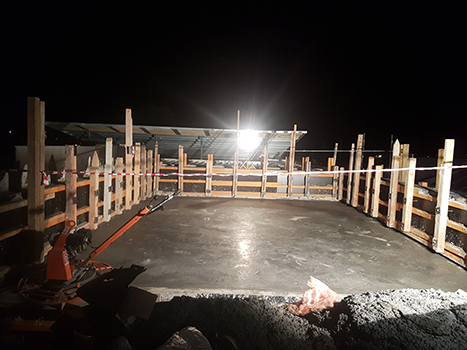
The panels, boards, stakes, and bracing are assembled around the perimeter of the slab or structure. All joints must be sealed (grout leaks are the enemy of a clean finish), and the entire form must be checked for level, plumb, and square. Props, tie rods, and cross-bracing are added to ensure nothing shifts under the enormous pressure of wet concrete.
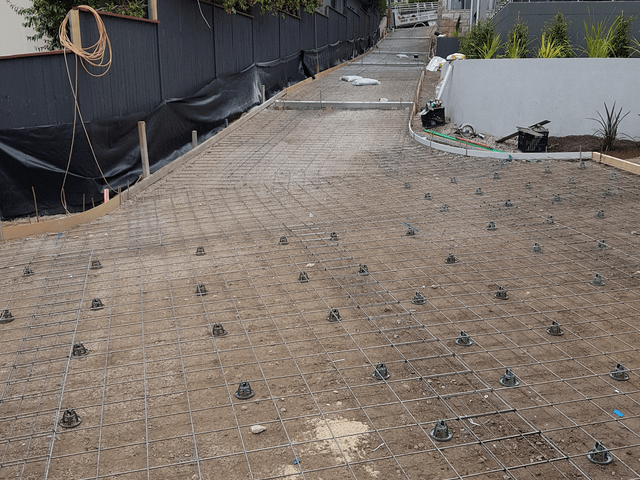
Step 5: Steel Reinforcement
In most residential builds, steel mesh or rebar (reinforcing bar) is placed inside the formwork before the pour. This is what gives your concrete its tensile strength — stopping it from cracking under load. Concrete is brilliant under compression; steel handles the tension. Together, they’re a dream team.
Step 6: The Concrete Pour
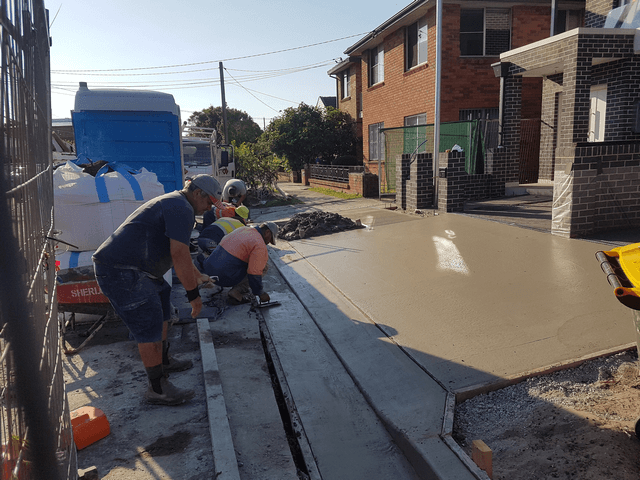
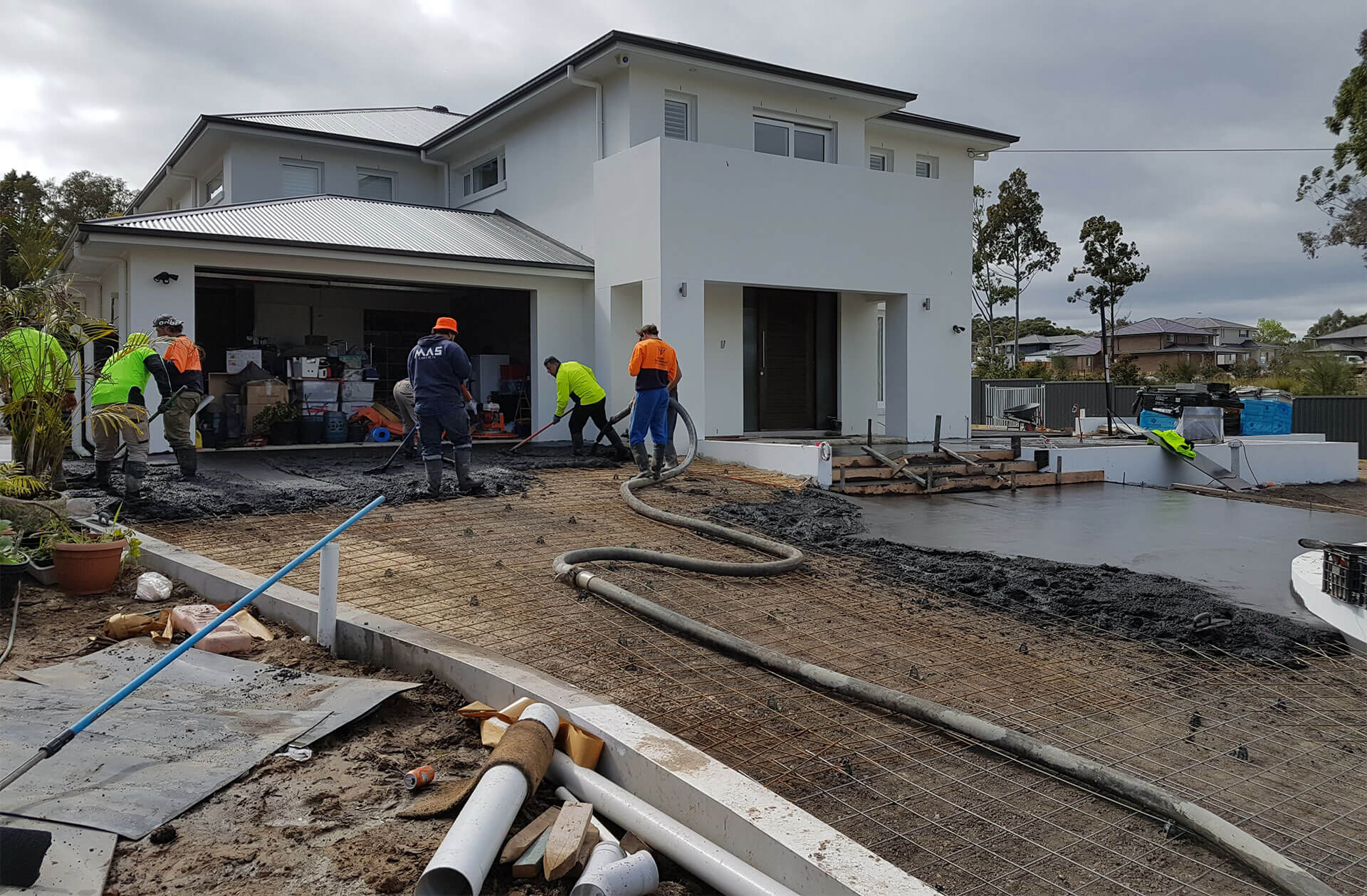
Now the fun bit. Concrete is pumped or poured into the form, vibrated to remove air pockets, and screeded level. The speed of the pour matters — too fast and you risk blowing out the forms under hydrostatic pressure; too slow and you get cold joints. An experienced crew knows the sweet spot.
Step 7: Curing and Stripping
Once the concrete has reached sufficient strength (typically 24–48 hours for initial set, longer for full strength), the formwork is carefully removed — stripped — without damaging the concrete surface. A quality pour should come off the form clean, smooth, and ready for whatever finish is planned.
The whole process, done right by a qualified team, is what separates a slab that lasts 50 years from one that starts showing cracks by summer’s end.
For a full picture of what a professional approach to residential concrete looks like across every service, the team at Oz Crete Concrete has been doing this across Sydney for over 20 years — and they’ve seen every possible way it can go wrong when the right crew isn’t involved.
Why Timber Formwork Isn’t Dead (Despite What Some Tradespeople Tell You)
There’s a bit of a trend in the industry to dismiss traditional timber formwork as “old school” in favour of faster modular systems. And while prefabricated solutions absolutely have their place, timber formwork is far from obsolete — especially in Sydney residential builds.
Here’s why it still dominates on domestic sites:
Flexibility: Timber can be cut to any shape or dimension on-site. For custom home designs, unusual lot shapes, and heritage renovations common in Sydney’s inner suburbs, nothing beats it.
Cost-effectiveness at small scale: For a single house slab or a set of stairs, hiring an engineered formwork system often costs more than the timber itself. For residential jobs, traditional boxing is typically the most economical choice.
Local expertise: Sydney has a deep pool of experienced concreting contractors who know timber formwork inside out. That localised knowledge — knowing how Sydney’s clay soils behave, how the summer heat affects curing times — is priceless.
Versatility across complex sections: Curved walls, angled footings, ornate steps — timber adapts where rigid panel systems can’t.
The key is using graded timber. F17 plywood for form faces, properly seasoned framing timber for the structure, and good quality release oil so the boards strip cleanly. Cut corners on materials here, and you’ll be grinding off honeycombing for days.
What Makes a Good Formwork Contractor in Sydney?
This is where Sydney homeowners get genuinely burned. You wouldn’t trust someone with no licence to rewire your house, but people regularly let unqualified labourers pour a house slab. The consequences can be catastrophic — and expensive.
Here’s what to look for when choosing formwork contractors in Sydney:
Licensing and Insurance
In NSW, formwork operations on residential construction sites are governed by SafeWork NSW guidelines. Any formwork above certain heights or loads requires licensed formwork supervisors. Always check licences are current. Insurance — public liability and workers’ comp — is non-negotiable.
Experience With Residential Projects
Commercial formwork is a different beast from residential. A contractor who’s spent their career on high-rise commercial sites may not have the finesse needed for a domestic renovation with tight boundary setbacks, soft suburban soil, and council-approved drainage requirements.
References and Past Work
Ask to see completed projects. A formwork company worth its salt should have a portfolio of work across Sydney suburbs. Check Google reviews. Ask your builder for a recommendation.
Transparent Pricing
The best contractors are upfront about what’s included, what materials they’re using, and what the timeline looks like. Hidden costs in formwork work are a red flag. Get it in writing.
The full range of residential building services that Oz Crete provides — from formwork through to full concrete pours, excavation, and house slabs — is a good benchmark for what a comprehensive, transparent service looks like.
Common Residential Formwork Mistakes (And How to Avoid Them)
Even on well-managed sites, formwork errors happen. Here’s what to watch for:
Insufficient bracing: The biggest cause of blowouts during a pour. Every panel must be adequately staked and braced. The pressure of wet concrete is far greater than it looks.
Poor joint sealing: Grout leaks create rough edges, honeycombing, and structural weak points. Every joint should be foam-sealed or taped before the pour.
Skipping the release agent: Without proper oil or release agent on the form face, stripping becomes a wrestling match — and you’ll damage the concrete surface in the process.
Not checking for level: A sloped slab is a disaster. Before any concrete is poured, the entire formwork system should be checked with a laser level, not just a spirit level.
Stripping too early: Patience pays. Pulling the forms before the concrete has reached sufficient strength causes surface cracking and edge damage. Let it cure properly.
Using damaged or warped timber: Bent boards = bent edges. Always inspect materials before use. A warped piece of ply will show in the finished surface and create gaps that leak concrete.
Why Sydney’s Residential Builds Demand More from Formwork
Sydney is a unique construction environment. The city’s geography — harbour-side cliffs, clay soil, flood-prone flats, steep block gradients across suburbs like Balmain, Sutherland, and the Hills District — means standard formwork solutions don’t always cut it.
Reactive clay soils, common in Western Sydney, move seasonally with moisture content. Slabs on reactive soil need carefully engineered edge beams with deep formwork to prevent heave and differential movement.
Steep residential blocks in suburbs across the Inner West, North Shore, and Eastern Suburbs require retaining wall formwork with significant lateral load capacity. This isn’t the place for a DIY timber box-up.
Coastal construction near Cronulla, Manly, or Palm Beach introduces salt air and moisture into the equation — which affects concrete mix design, curing time, and the type of release agent used on forms.
A local Sydney formwork team that understands these variables will build a better result than any interstate outfit that treats every slab like a flat paddock in Wagga.
How Oz Crete Approaches Formwork in Sydney Residential Projects
With over two decades of residential concreting and formwork experience across Sydney’s suburbs, Oz Crete Concrete takes a considered, site-specific approach to every job.
The company uses a mix of traditional timber formwork and modern prefabricated systems depending on the requirements of the project — never a one-size-fits-all approach. Systems including table formwork, scaffolding/high strutting, panel systems (Symons), Bondek and Condek metal decking, and perimeter screen systems are all in the toolkit.
What sets Oz Crete apart isn’t just the technical side, though. It’s the project management. Every job is tracked against timelines and budgets set upfront. Clients aren’t left guessing. Pricing is transparent — no “surprise” additions when the invoice arrives.
The end-to-end service matters too. Unlike contractors who only handle the formwork and then hand over to someone else, the Oz Crete team also manages the full concrete pour — meaning one point of accountability, one crew, and one quality standard across the entire process.
That’s not a small thing. Handover points between subcontractors are where problems get lost, blamed on someone else, and never resolved.
Ready to Build? Here’s Your Next Step
If you’re planning a residential build, extension, renovation, or new concrete structure in Sydney — whether it’s a house slab, a second storey, retaining walls, a driveway, or a set of outdoor stairs — getting the formwork right is the most important decision you’ll make before a drop of concrete hits the ground.
The good news? You don’t have to figure it all out yourself. A professional formwork and concreting team will assess your site, recommend the right system for your budget and build type, and manage the whole process from setup to strip.
The bad news? Not every contractor operating in Sydney has the experience, licensing, or care factor to do that well. Choose based on evidence — their portfolio, their licences, their reviews, and their willingness to give you straight answers upfront.
If you’re in Sydney and want a free, no-obligation quote from a team with over 20 years of residential formwork and concreting experience, call Oz Crete Concrete on 0449 066 052 or get in touch online. They cover all of Sydney and its suburbs, Monday to Saturday.
Because a great home starts with a great foundation. And a great foundation starts with formwork done properly.
Good quality residential concreting Sydney is a vital aspect of all modern constructions and we at Oz Crete Concrete are the professional residential concreters Sydney that offer top quality services at the most competitive pricing.
Concrete is extremely versatile and easy to mold and finish when in a semi-liquid form. Once it solidifies, it is extremely durable and strong, which makes it a highly reliable and ideal material for all types of constructions. Today, concrete is widely used in residential buildings to make them resilient and long-lasting.
Residential Concreting Sydney
_
With over 20 years of experience in the field, we have made our mark as the best concrete Sydney and handle projects of all shapes and sizes. Whether you need a slab installation done for your new home construction or need the formwork completed, we can handle it all. Our team of Sydney concreting experts have handled scores of projects of different types and has the qualification, skill, and expertise to tackle every job expertly and to the 100% satisfaction of our clients.
Best Quality Concrete Sydney
_
As a customer-centric company, we are focused on providing custom solutions that meet your needs and fit your budget. We offer premium residential concreting Sydney solutions for a variety of requirements. In residential projects, our team of experts liaises with individual homeowners, architects, engineers, and contractors and completes projects methodically and expertly. The goal is to plan and build features that will be long-lasting and appealing as well.
Services
_
Our Services
Based on your specific needs, we use poured/pre-cast concrete to achieve a very neatly-finished surface. Every job big and small is carried out safely and to industry standards and you are assured of timely completion of the work. We offer a range of residential concreting Sydney services including:
Concreting
As mentioned earlier, we work with homeowners, contractors, builders, and architects and provide tailored solutions for all types of top quality Sydney concreting works. While the actual construction will be handled to perfection, we also focus on aspects such as finishing as this determines the final finish of the structure.
We are one of the front-running professional. When you hire us for house slab installations, you can rest assured that you’re hiring the best. Our team will work with you and your builder/architect to ensure that the final product is in line with the project requirements. Our focus is on creating resilient and durable slabs.
In addition to being the best concreter Sydney, we also offer excavation services. Our experienced and skilled excavation team handles all types of cut and fill earthworks for residential developments. We have vast experience in this space and have what it takes to provide top-notch services to our clients.
Regardless of the types of residential Sydney concreting and form working services you need, we have you covered. All of our technicians have the required certifications and experience to handle projects of all types. We use the latest techniques and technology, ensuring you get the best services at the lowest cost.
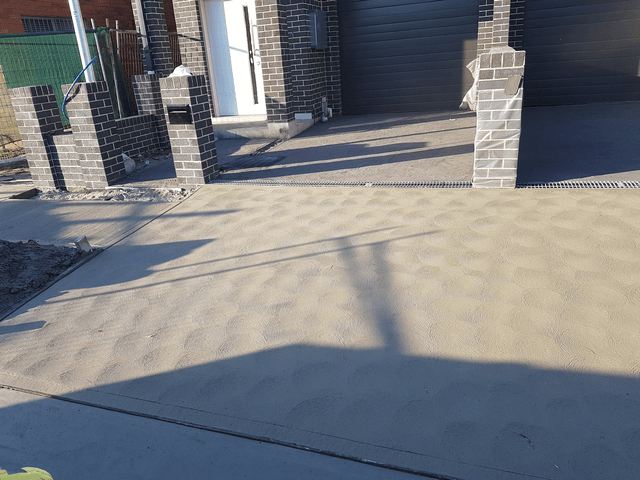
If you are looking for a low-cost concreter Sydney, you are at the right place. Footpath concreting is a specialized job that requires specific skills, training and a good amount of experience and we have all this and more. Depending on the needs of your project, we can install concrete footpaths in a range of colors, finishes, and textures.
We provide top quality council driveway concreting services throughout Sydney and its suburbs. We recognize that every project is unique and that it comes with its own set of challenges. We handle all types of council driveway concreting Sydney projects using the latest equipment to ensure minimal disruption.
We are the cheap concreter Sydney that is honest and transparent in its business dealings and always maintain upfront pricing. This means you never have to worry about any tacked-on fees and charges when you've presented the final bill. Over the years, we have built a very strong reputation in the industry and have a large number of returning and referred clients. This goes to show how much they trust that we will provide the best services.
Why Choose Us?
_
With a diverse portfolio of residential clientele, we have an impeccable record of efficiency and reliability. Our team of experienced residential concreting Sydney professionals is industry-certified and qualified. We maintain the highest quality standards in service and product delivery. Here are some reasons why clients across the region opt for our services:
Over 20 years of experience
Fully-licensed and insured
Reliable and safe working
High-quality solutions
Value and quality
Professional performance
Top-notch project management
Affordable, upfront pricing
Guaranteed workmanship
100% customer satisfaction
Who we are
_
About Us
Oz Crete Concrete is one of the leading residential concreters Sydney and we have created a distinct niche for ourselves in this industry. For over 20 years, our company has delivered industry-leading services to projects of different sizes and complexity. With each project, our aim is the same- to work closely with clients to provide top quality Sydney concrete work and create appealing and functional spaces.
Our passion for planning & constructing features that complement their surroundings is what makes us unique in every way. We adopt a tailored approach in all our jobs, making sure that our project management and on-site supervision is infallible. This ensures the timely completion of the project, within the approved budget.
CLIENTS
_
Testimonials
Check out why our customers loves us in each projects
Oz Crete is a professional, courteous, prompt and needless to say, the slab was poured and finished in an extremely timely manner. I have no hesitation in recommending oz-crete and can't wait to see what they do with my “old” driveway soon.
Jessica RossetaRyde
I would like to thank Oz Crete for the fantastic service we have received from them for our concreting needs. We will, of course, come back to Oz Crete with any future jobs and will highly recommend Oz Crete!! Once again, thanks Oz Crete for such superb service.
Nicolas AnelkaRose Hill
Oz Crete has always had very good service. They are reliable, accommodating and the concrete is of a high quality. We have always received a good personal service and have no hesitation in recommending Oz Crete to other people.