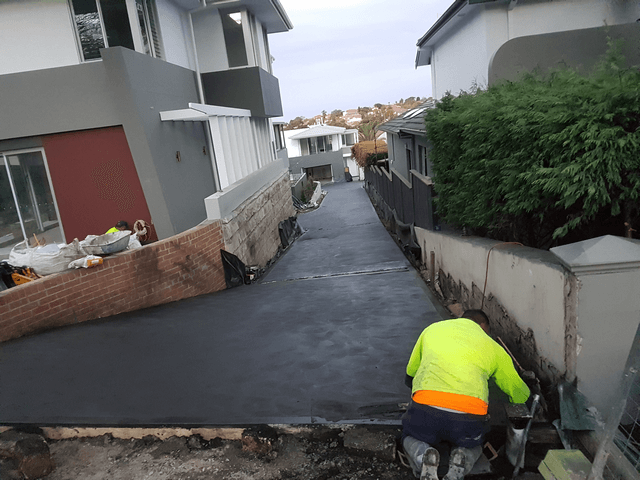
Let’s be honest. You’ve driven past that neighbour’s place — the one with the clean, smooth concrete driveway and tidy house slab — and thought, “Yeah, I should do something about mine.” Then life got in the way. Then the quote scared you. Then you forgot about it until the next time it rained and your car tyres kicked mud onto your freshly washed bumper.
Sound familiar? You’re not alone, mate.
Sydney homeowners put off concreting projects every single year — not because they don’t want them done, but because they’re not sure where to start, what it actually costs, what the council needs from them, or who they can trust to do it right. This guide fixes all of that. No fluff. No upselling. Just straight-up, honest information about residential concreting in Sydney — and why getting it done properly is one of the smartest decisions you’ll make for your property.
What Even Is Residential Concreting? (And Why It’s More Than Just Pouring Grey Stuff)
Here’s a question most people can’t properly answer: what does a residential concreting job actually involve?
When most Sydneysiders think of concreting, they picture a truck, a couple of blokes, and wet cement. And yeah, that’s part of it — but it’s also a bit like saying a house is “just some bricks and a roof.” The reality is far more involved, and that’s exactly why it matters who you hire.
Professional residential concreting in Sydney covers a wide range of work: house slabs for new builds, driveways, footpaths, formworking, excavation, and council-approved crossings. Each of these has its own specifications, materials, and regulatory requirements. Get any of them wrong and you’re not just looking at an eyesore — you could be facing council fines, structural failure, or a driveway that starts cracking within two years.
The good news? When it’s done right, concrete is one of the most durable, low-maintenance, and property-value-boosting investments a Sydney homeowner can make.
The Full Range of Sydney Concrete Services — What’s Available and What You Actually Need
If you’re considering any kind of concrete work on your Sydney property, here’s a breakdown of the main services and what they involve. Understanding these upfront saves you time, money, and a lot of unnecessary back-and-forth.
House Slabs — The Foundation of Everything
If you’re building a new home, adding a granny flat, or extending your existing property, a properly engineered house slab in Sydney is non-negotiable. This isn’t just “pour concrete flat.” It involves detailed site preparation, sub-base compaction, moisture barriers, steel reinforcement layout, and precise levelling. The slab needs to comply with Australian Standards (AS 2870 for residential slabs) and must be built to specifications provided by your engineer or architect.
A well-poured residential slab doesn’t just sit there — it actively distributes the load of your entire home across the soil. Cut corners here and everything above it will eventually pay the price. That’s not hyperbole; it’s structural physics.
The process involves multiple stages: initial site excavation and clearing, base preparation and compaction, formwork installation, reinforcement placement, concrete pour, and final finishing. Each stage requires an experienced eye and proper equipment — this is not a weekend DIY job, no matter what YouTube says.
Driveways and General Concreting — More Choices Than You Think
Your driveway is genuinely the first thing people notice about your home. A cracked, uneven surface or an old exposed aggregate job from the ’90s ages your whole property’s look. Sydney concreting services today offer a range of finishes — plain concrete, exposed aggregate, coloured concrete, and even stencilled surfaces — each with different costs, maintenance needs, and aesthetic results.
Plain concrete is still the most popular and practical option for most Sydney homes. It’s strong, it’s cost-effective over its lifespan, and when properly finished with the right expansion joints and drainage slope, it’ll outlast most other driveway materials by a country mile. Exposed aggregate adds texture and visual appeal and can be excellent for areas where grip matters. Coloured concrete is increasingly popular for homeowners who want their driveway to complement their landscaping and architecture.
Whatever finish you choose, the base preparation is what determines whether your driveway lasts 10 years or 30. Proper sub-base depth, correct reinforcement (mesh or reo bar depending on the application), and precise drainage planning are what separate a quality concretor from someone who just shows up with a mixer.
Council Driveways and Vehicle Crossings — The Part Nobody Talks About Enough
Here’s where things get genuinely complicated for a lot of Sydney homeowners, and it’s where more jobs go wrong than almost anywhere else. If your driveway connects to a council-controlled road — and most do — you’re in the territory of council driveway concreting, also known as a vehicle crossing or crossover.
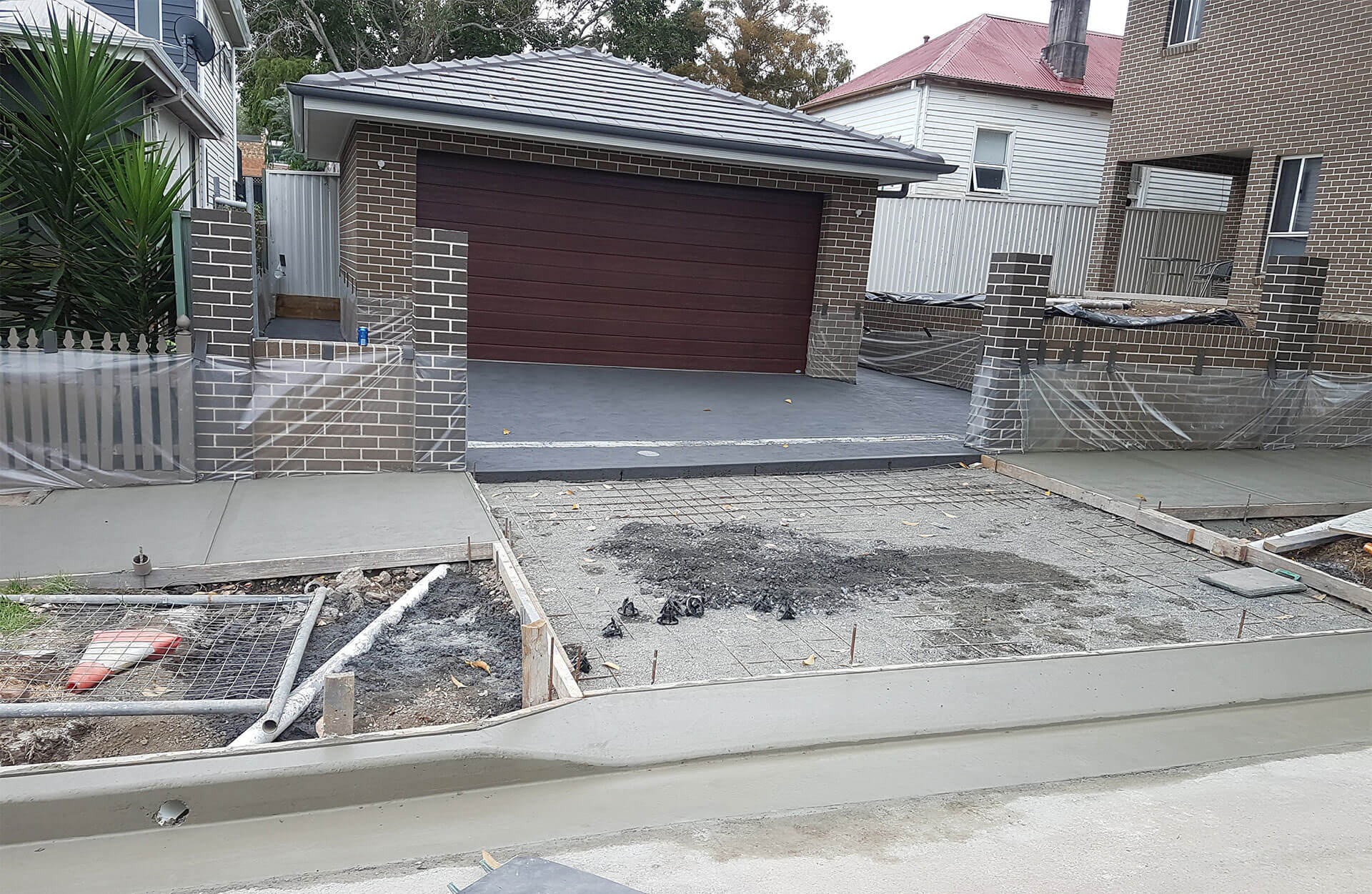
This section of your driveway, from your property boundary to the road, technically crosses council land. That means you need council approval before a single shovel goes in the ground. Different councils across Greater Sydney — from Penrith to Hornsby, Parramatta to Northern Beaches — have different requirements for width, materials, drainage, kerb design, and inspection stages.
Getting a council-approved driveway in Sydney means dealing with permit applications, engineering drawings, formwork inspections before the concrete pour, and a final council inspection after completion. If your contractor doesn’t know this process inside and out, you risk delays, failed inspections, and costly rework.
Most local councils require the use of plain concrete (not asphalt or pavers) for the vehicle crossing section specifically. Northern Beaches Council, for example, mandates full-width plain concrete on the road reserve — no coloured, stamped, or pebblecrete finishes allowed on that section. Parramatta Council has its own layback specifications. Getting this right requires someone with genuine experience across Sydney’s council network, not just a tradie who’s done one job in your suburb.
Why You Should Actually Get This Done — The Real Benefits of Concreting Your Sydney Property
Beyond the obvious “it looks better,” there are some very practical reasons why residential concreting is worth prioritising.
Property value. Real estate agents across Sydney consistently note that a well-maintained concrete driveway and properly finished outdoor areas add tangible value to a residential property. It signals upkeep and professionalism to prospective buyers — and in Sydney’s market, first impressions genuinely count.
Durability and low maintenance. Unlike gravel (which migrates, clogs gutters, and needs topping up), pavers (which shift, crack, and grow weeds in the joints), or asphalt (which softens in Australian summer heat), properly installed concrete is extremely resilient. It doesn’t require sealing every few years or constant relevelling. Sweep it, hose it occasionally, and it does its job for decades.
Safety and liability. Uneven surfaces, crumbling edges, and poor drainage around your home are safety hazards. A trip-and-fall on your property — whether for residents or visitors — is your responsibility. Properly installed concrete work with correct levels and drainage removes that risk.
Council compliance. This one matters more than people realise. Non-compliant vehicle crossings and footpath work can result in council-ordered removal at the homeowner’s expense. Doing it correctly once, with the right permits in place, protects you from an expensive headache down the road.
How the Concreting Process Actually Works — Step by Step
Let’s walk through what happens when you engage a quality Sydney concreting team for a typical residential project. Understanding this process helps you know what to expect, what questions to ask, and how to spot when someone isn’t doing the job properly.
1. Site Assessment and Quote Any reputable concretor starts with a proper site inspection. They’re looking at soil conditions, drainage, access for machinery, existing structures, council boundaries, and what specifications your project will need. A quote generated without a site visit is a red flag.
2. Council Application (Where Required) For vehicle crossings and any work involving council land, the permit application goes in before anything else. Experienced concreters handle this on your behalf — the documentation, the council liaison, and making sure the approved design meets your local council’s specific requirements.
3. Excavation and Site Preparation This stage is often undervalued but is arguably the most important. Proper excavation to the correct depth, removal of unsuitable soil, compaction of the sub-base, and in some cases laying of sand or crushed rock — this is what gives concrete its long-term strength and prevents the cracking and subsidence that haunts cheap jobs.
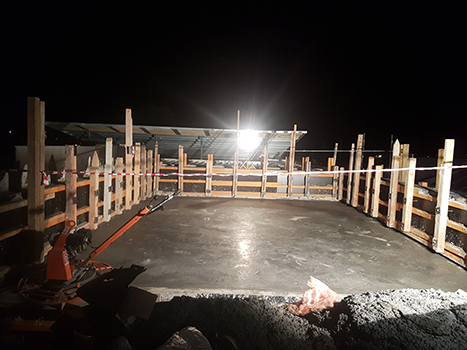
4. Formwork Installation Timber or steel formwork defines the shape and containment of your slab or driveway. It also sets the levels and fall direction for drainage. For council crossings, formwork must be inspected and approved by a council inspector before any concrete is poured.
5. Reinforcement Placement Steel mesh or reinforcing bar (reo) is laid within the formwork according to the structural requirements of the project. For house slabs, this is specified by an engineer. For driveways, mesh is standard. This steel is what holds your concrete together under load and prevents catastrophic cracking.
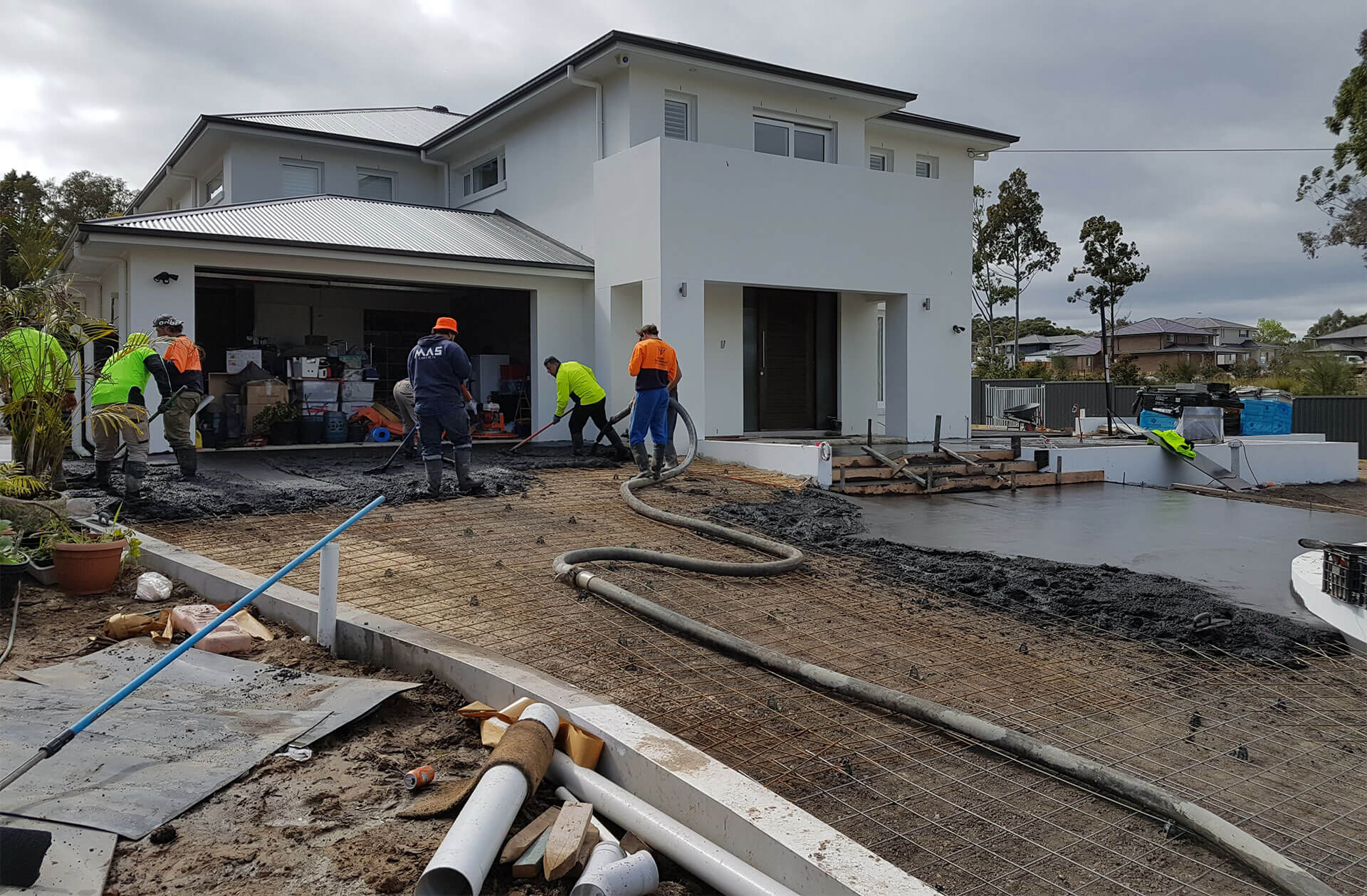
6. The Pour and Finishing Ready-mix concrete arrives by truck and is poured and spread into the formwork. Compaction (using vibrators) removes air voids. The surface is screeded, floated, and finished to the specified texture. Expansion joints are cut or formed at regular intervals to control where natural cracking occurs as the concrete cures.
7. Curing and Council Final Inspection Concrete continues to gain strength over 28 days. During this period, it must be protected from extreme heat and rapid drying. For council crossings, a final inspection is booked with the council once the work is complete.
How Oz Crete Concrete Handles All of This For You
With over 20 years in the industry, Oz Crete Concrete has built a reputation across Sydney for getting residential concreting done properly — on time, on budget, and to the full satisfaction of homeowners, builders, and architects alike.
What makes a genuine difference is experience with Sydney’s council requirements. The team has maintained relationships with local councils across Greater Sydney, which means the council application and approval process for vehicle crossings and crossovers is handled smoothly and efficiently. You don’t have to navigate that maze yourself.
Take a look at the full range of services offered — from house slab installations and formworking through to excavation, footpath concreting, and council-approved driveways. Every job, regardless of size, receives the same attention to base preparation, reinforcement, and finishing quality.
The team works closely with individual homeowners as well as builders, architects, and engineers. Whether you’re pouring a small garden path or a complete residential slab for a new build, the approach is the same: site assessment first, tailored solution second, no compromises on the work itself.
Common Questions Sydney Homeowners Ask About Concreting
Do I really need council approval for my driveway? If your driveway includes a vehicle crossing — the section between your property boundary and the road — then yes, in almost every Sydney council area you need approval before construction. Working without a permit can result in removal orders at your cost.
How long does residential concreting take? A typical driveway can be completed in one to two days for the pour itself, but factor in site prep, formwork, and curing time. House slabs involve more stages and generally take longer depending on complexity.
How long will my concrete last? Properly installed concrete with correct reinforcement and drainage can last 30 to 50 years or more in Sydney conditions. The key determinant is the quality of the base preparation and mix used.
Can I choose a decorative finish for my council driveway crossover? For the section on council land (the crossing itself), most Sydney councils require plain concrete. Decorative finishes like exposed aggregate or coloured concrete are typically only permitted on the private property portion of your driveway.
Ready to Actually Get It Done?
You’ve been looking at that driveway long enough. Whether it’s a fresh house slab for a new build, a council-approved vehicle crossing, or a complete driveway pour, the process doesn’t have to be stressful or complicated — not when you’ve got the right team on board.
Oz Crete Concrete offers free inspections and no-obligation quotes across Sydney. The work is licensed, experienced, and built to last. Call 0449 066 052 or reach out online to get started.
Your neighbours have been jealously eyeing a clean driveway for years. Time to give them something to look at.
Oz Crete Concrete — Residential Concreting Sydney | House Slabs | Council Driveways | Vehicle Crossings | Excavation | Formworking